


King Abdullah Medical Complex Jeddah
King Abdullah Medical Complex Jeddah
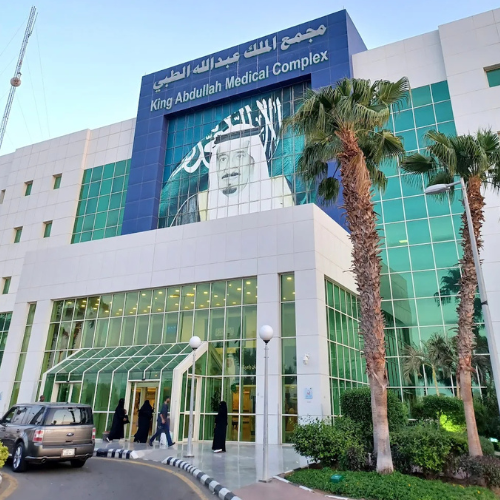
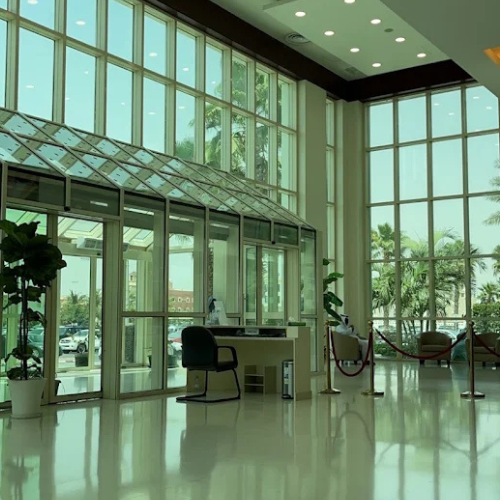
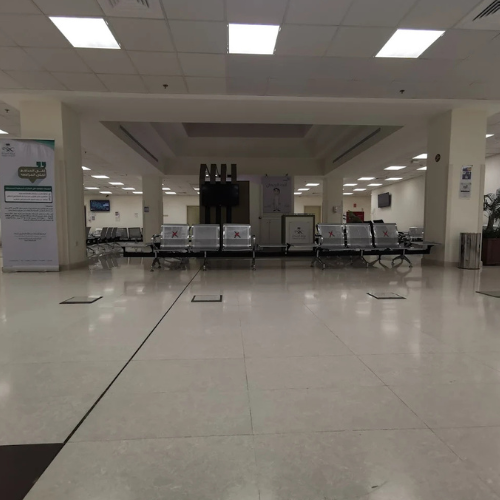
King Abdullah Medical Complex in Jeddah feels like a deeply purposeful healthcare institution, where design and daily life are shaped around delivering broad medical support rather than aesthetic flourish. As a major Ministry of Health facility with about 500 beds, it accommodates a steady flow of patients, from those arriving for planned specialty consultations to others in need of urgent attention. Hallways and waiting areas prioritize clear movement and ease of navigation, making the experience feel grounded in clinical logic and human urgency rather than formality. There’s an undercurrent of constant activity here, typical of a large, public complex, yet it moves with a sense of purpose and responsiveness that reflects its role in serving one of Saudi Arabia’s largest urban populations.
Within its walls, the complex integrates a wide spectrum of outpatient clinics and emergency services that span general surgery, orthopedics, ENT, cardiology, internal medicine, dermatology, urology and more, often serving tens of thousands of visitors in a given year. Specialized care paths include trauma support, diagnostics, and multidisciplinary teams trained to handle everything from cardiac intervention to neonatal and maternal health needs. Emergency teams operate 24/7 with equipment and protocols to receive serious acute cases, while lab, radiology and therapeutic services help streamline patient journeys under one roof. Families and individuals alike tend to appreciate the comprehensive scope, whether for routine checkups, specialized treatment plans, or urgent care, making the complex a central healthcare touchpoint in northern Jeddah.
Rate us and Write a Review
- Closed Now08:00 AM - 04:00 PM
- Sunday08:00 AM - 04:00 PM
- Monday08:00 AM - 04:00 PM
- Tuesday08:00 AM - 04:00 PM
- Wednesday08:00 AM - 04:00 PM
- Thursday08:00 AM - 04:00 PM
- Friday24 hours open
- Saturday24 hours open

 Your request has been submitted successfully.
March, 2026
Thursday
- Closed Now
August 26,2019
- Tuesday
- 9:00am - 10:00am
Awesome Job!
We have received your appointment and will send you a confirmation to your provided email upon approval.
 Own or work here?
